The Internet of Things (IoT) has fundamentally reshaped the technological landscape, moving from a niche concept to a ubiquitous force. At the heart of this transformation is the seamless integration of IoT devices with mobile applications. This convergence is not just a trend; it is the new standard for how users interact with their connected world, offering unprecedented levels of control, data access, and automation.
The Symbiotic Relationship: Mobile as the IoT Command Center
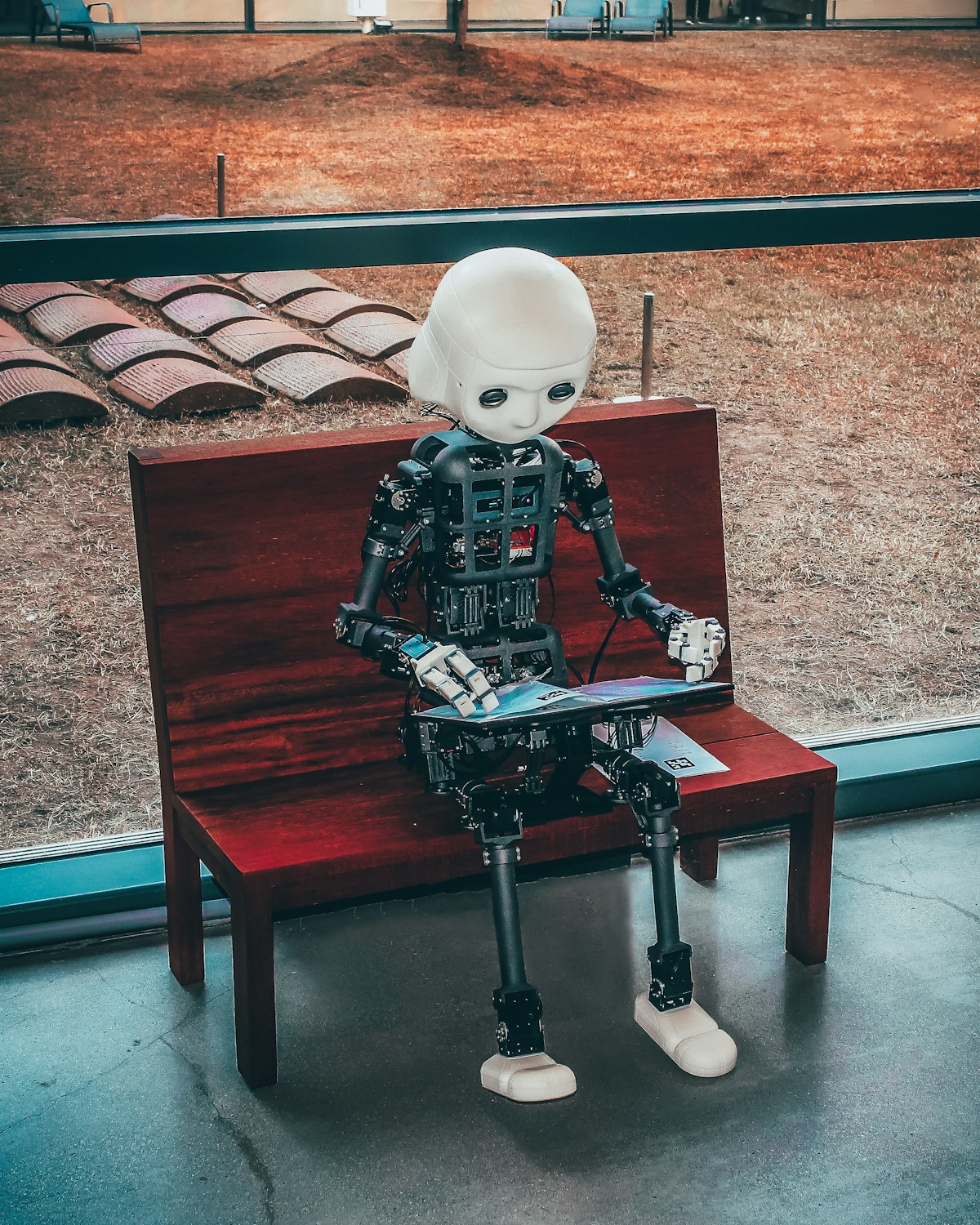
Mobile applications serve as the essential bridge between the user and the vast network of IoT devices. Without a user-friendly interface, the data collected by smart sensors and devices would remain raw and inaccessible. The mobile app transforms this data into actionable insights and provides a central hub for device management.
Key Roles of Mobile Applications in the IoT Ecosystem:
- Control and Management: Users can remotely control and configure devices, from adjusting a smart thermostat to locking a door, all through a single app interface.
- Data Visualization: Mobile apps present complex sensor data (e.g., energy consumption, health metrics) in intuitive graphs and dashboards.
- Notifications and Alerts: Real-time alerts about device status, security breaches, or maintenance needs are delivered directly to the user’s pocket.
- Automation and Customization: Apps allow users to set up complex routines and triggers (e.g., “Turn on the lights when I arrive home”) that orchestrate multiple devices.
Benefits of Integrated IoT Mobile Applications
The integration of IoT with mobile platforms unlocks significant value for both consumers and businesses.
| Stakeholder | Key Benefit | Example Use Case |
|---|---|---|
| Consumers | Enhanced Convenience & Control | Managing a smart home (lighting, security, temperature) from anywhere. |
| Businesses | Operational Efficiency & Data | Predictive maintenance alerts for industrial machinery, reducing downtime. |
| Healthcare | Remote Monitoring & Safety | Wearable devices transmitting vital signs to a doctor’s app for continuous care. |
| Developers | Faster Deployment & Iteration | Utilizing existing mobile infrastructure for device onboarding and updates. |
Emerging Trends in IoT Mobile Integration
The field is rapidly evolving, driven by advancements in connectivity and processing power. Several key trends are defining the next generation of IoT mobile applications:
1. Edge Computing and Faster Processing
Instead of sending all data to the cloud, more processing is happening directly on the mobile device or the IoT gateway. This edge computing approach leads to lower latency, faster response times, and reduced reliance on constant internet connectivity, which is crucial for mission-critical applications like autonomous vehicles and industrial control systems.
2. AI and Machine Learning Integration
Mobile apps are increasingly using AI to analyze the massive amounts of data generated by IoT devices. This enables predictive capabilities, such as anticipating when a machine might fail or learning a user’s habits to proactively adjust home settings. For instance, a smart security app can use machine learning to distinguish between a pet and an intruder.
3. Enhanced Security and Privacy
As the number of connected devices grows, so does the attack surface. Future mobile apps will feature more robust, built-in security protocols, including end-to-end encryption and multi-factor authentication specifically designed for the IoT environment. Developers are focusing on secure device provisioning and over-the-air (OTA) firmware updates managed securely through the mobile app.
The Path Forward
The future of the connected world is inextricably linked to the capabilities of mobile applications. As 5G and eventually 6G networks become standard, the speed and bandwidth will further accelerate the complexity and utility of IoT mobile integration. The focus will shift from simply connecting devices to creating truly intelligent, self-optimizing ecosystems that seamlessly blend the digital and physical worlds.
Visual Element Concept: Imagine a simple, clean line drawing or icon set representing the flow of data:
[Icon: Mobile Phone] $\rightarrow$ [Icon: Cloud/Server] $\rightarrow$ [Icon: Smart Home Device (e.g., Lightbulb)]
Caption: The Mobile-to-Cloud-to-Device Data Flow in a Typical IoT Application. Note: In a real blog post, this would be a high-quality, custom-designed graphic to enhance visual appeal.